- 614-389-3130
- contactus@dasisim.com
Simulations
- AI Simulations for Better Patient Outcomes
PrecisionTAVI
Next-Generation Planning for Transcatheter Aortic Valve Implantation
Our product revolutionizes pre-procedural planning for Transcatheter Aortic Valve Implantation (TAVI) built on cutting-edge patient-specific simulation technology. PrecisionTAVI delivers unmatched predictive power to elevate procedural confidence and transform how interventional cardiologists and cardiac surgeons approach TAVI planning. Our solution enables interventional cardiologists to predict and visualize the intricate interaction between various devices and a patient's unique anatomy. This predictive capability frees up valuable time by eliminating the need for time-consuming manual assessments and streamlining the planning process without compromising precision.
Why PrecisionTAVI?
In TAVI procedures, precision is everything. From valve sizing to deployment strategy, even minor misjudgments can have major clinical consequences. PrecisionTAVI harnesses physics-based computational modeling and advanced hemodynamic simulations to eliminate the guesswork and optimize outcomes.
PrecisionTAVI is FDA cleared for balloon-expandable and under review for self-expandable transcatheter heart valve deployment simulations in tricuspid aortic valves.
Predicting Device Expansion
Expansion of the TAV device in the patient's native anatomy.
Balloon-Expandable TAV Simulation
Self-Expandable TAV Simulation
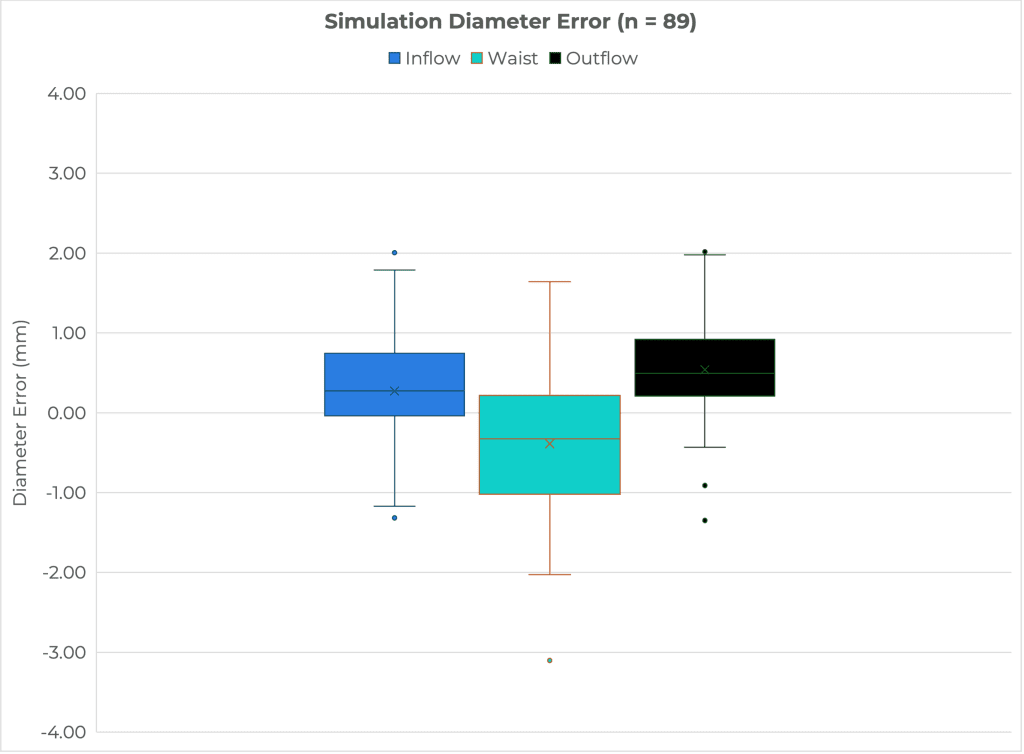
Performance of the BE THV deployment found to have ≤ 2mm of error in the device inflow, waist, and outflow diameters in 95% of cases (n = 89).
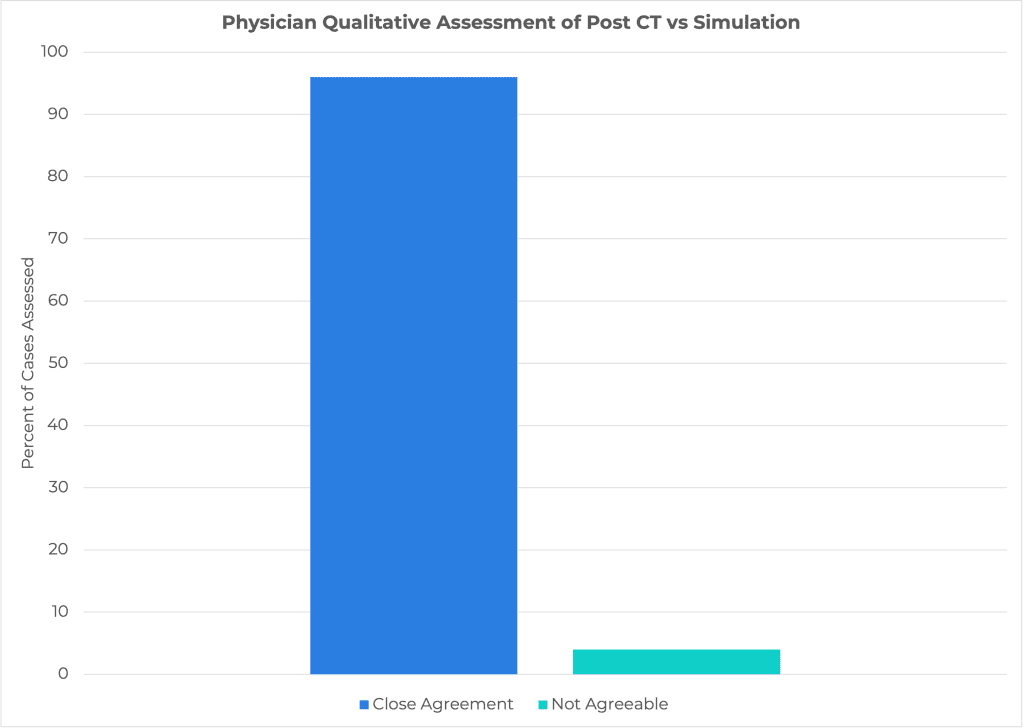
Physician qualitative assessment found close agreement of the model compared to post CT in 96% of device inflow, waist, and outflow planes.
Coronary Obstruction Analysis
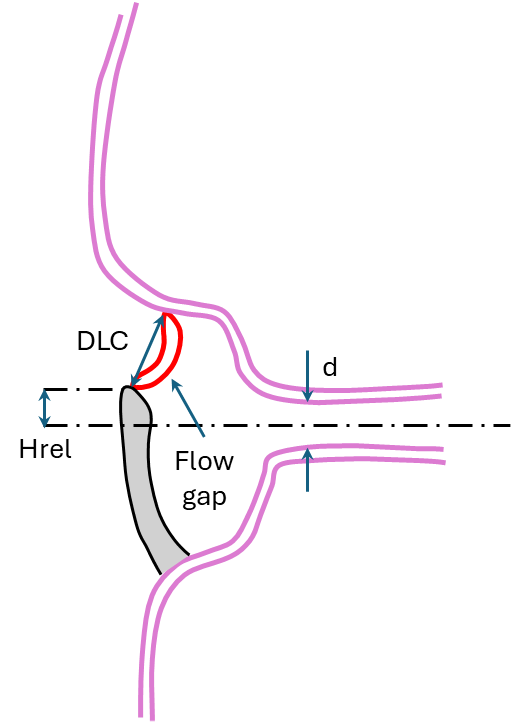
Prediction of native leaflet and calcium deformation with respect to the coronary arteries. Distance from the leaflet to the coronary (DLC) normalized with the native coronary diameter (d) ≤ 0.7 was reported to be associated with incidence of coronary obstruction due to TAVR [1]
Coronary obstruction analysis is regulated under the 21st Century Cures Act.
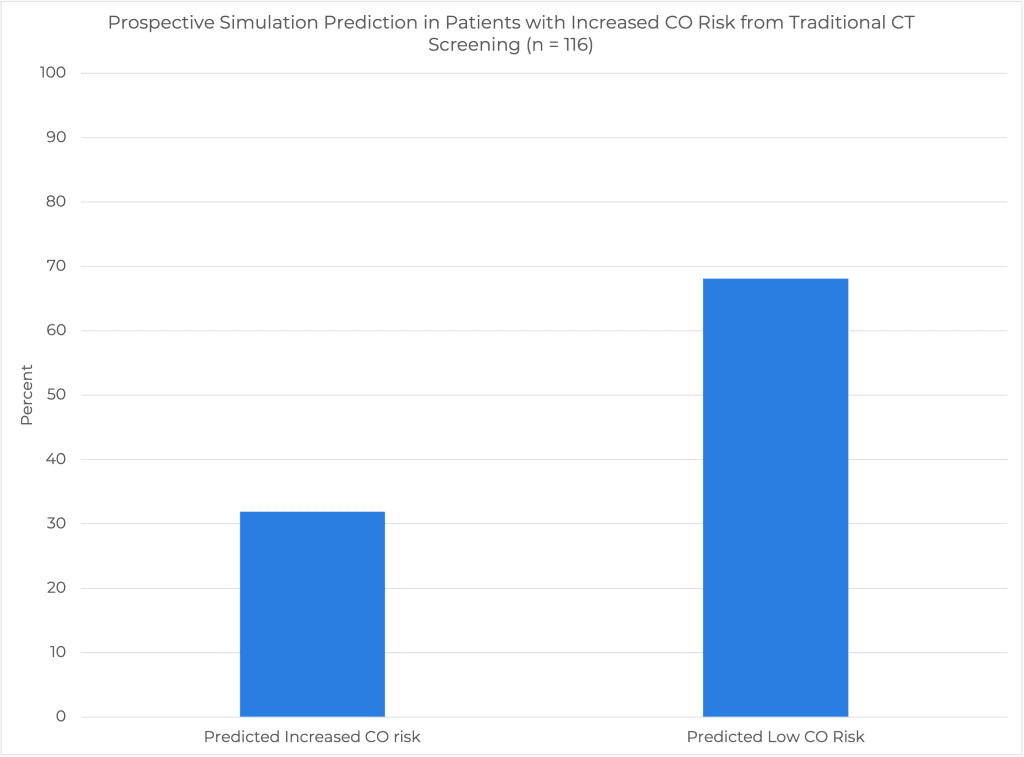
Shown higher prospective predictability of coronary obstruction compared to traditional CT screening methods (n =116) with no events of coronary obstruction [2].
Stretch Analysis
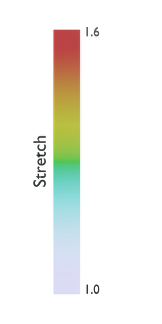
Prediction of calcium deformation and translation into the native sinuses causing localized tissue stretch.
Retrospective analysis of cases that experienced aortic root rupture (n = 12) and cases that did not experience aortic root rupture (n = 14) found that there is a potential relationship of stretch values ≥ 1.5 that may signal occurrence of root rupture [3].
Gap Analysis
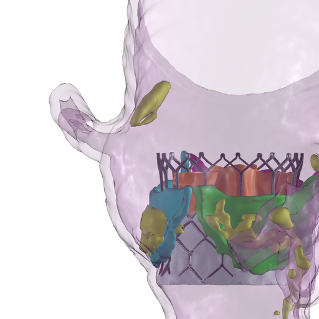
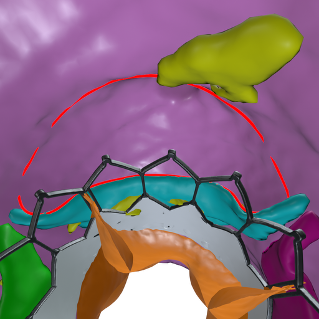
Prediction of gaps between the THV and the native root, leaflets, and calcium. Gaps are visualized with red streamlines detecting an inlet and outlet.
Gap analysis is for research purposes.
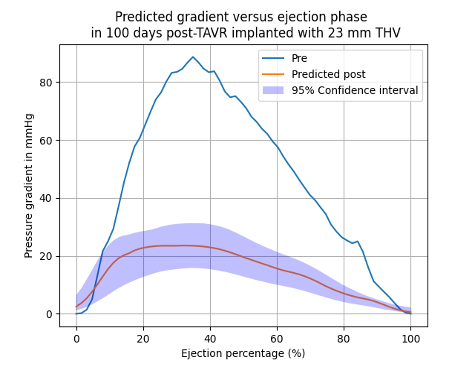
Pressure Gradient Analysis
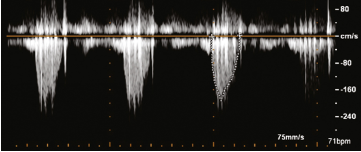
AI model prediction of pressure gradient post TAVR using pre TAVR echocardiogram [4].
Pressure gradient analysis is regulated under the 21st Century Cures Act.
FAQs for Physicians
How do I implement DASI into my practice?
Getting started is easy. Simply send an email to ContactUs@dasisim.com, and we will schedule a technical overview for you and your team. Our specialists will walk you through the workflow, integration process, and how to make the most of DASI’s simulation platform in your clinical environment.
Does DASI provide a free trial?
Yes. DASI offers a free three-case trial to help you evaluate the platform and experience the value of patient-specific simulation firsthand. This trial also enables physicians to see how DASI’s technology can benefit their specific patient population and procedural workflow.
Is DASI reimbursable?
Yes. DASI is reimbursable. For more detailed billing and coding support, our team can provide documentation and assistance to ensure smooth reimbursement processes.
Is DASI pay per analysis or subscription based?
DASI is pay per analysis with no implementation or subscription fees.
How do I send my cases for analysis?
The DASI portal is accessible through any browser to track case status. CT and intake information occurs through the DASI portal, DICOM node functionality can also be used after connecting directly to your PACS. During the onboarding process we will work with you to find the best transfer method for your team.
Safety Information
PrecisionTAVI is FDA cleared for balloon-expandable and under review for self-expandable transcatheter heart valve deployment simulations in tricuspid aortic valves. Other simulations and measurements are provided for research purposes and/or regulated under the 21st Century Cures Act, a U.S. federal law designed to accelerate medical product development and innovation. This product is not approved to diagnose, treat, cure, or prevent any disease. DASI Simulations provides simulations for several TAV deployment options. Simulations can cover a mix of appropriate and suboptimal options. Appropriate alternatives may exist. Content is not intended to establish or recommend a standard of care to be followed. Users should acknowledge that these simulations operate under the assumption of certain parameters and may not fully account for all potential variations in individual patient anatomy including material and tissue properties, and procedural factors including pre and post dilation. Deviations from these assumptions or variations in individual patient conditions could affect the accuracy of the simulation results. Users are encouraged to review the accompanying documentation and consult with healthcare professionals as needed to ensure proper understanding and compliance with applicable regulations. Physicians and other health care practitioners should exercise independent professional judgment in consideration of the inherent assumptions and use the simulation results in conjunction with the TAV's Instruction-for-Use, the patient's clinical history, symptoms, and other preprocedural evaluations for TAVR.