Cleveland Clinic Partners With DASI Simulations to Advance Predictive Modeling in TAVR Read more Medtronic and DASI Simulations partner to advance the future of TAVR
Read more
Meet George Stories of our DASI champions Hear His Story DISCOVER OUR ADVANCED AI-BASED HEART SURGERY SIMULATIONS The
for personalized surgical planning
AI solution FDA CLEARANCE OUR STORY
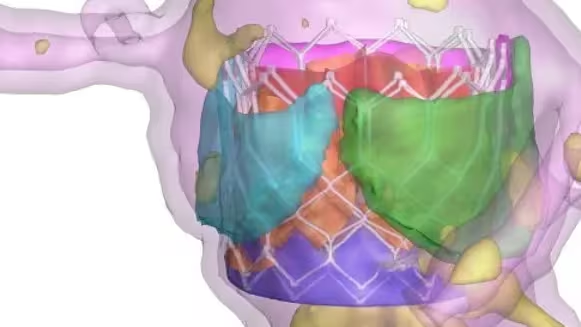
3D simulation of a beating heart showcasing DASI's technology George, a young man with a bright future ahead, faced a daunting challenge: a high-risk anatomical condition. Despite being a low surgical risk patient, his stenotic congenital bicuspid aortic valve with heavy calcification posed significant dangers.

What we do

Pioneering the future of cardiac care.​

We develop cutting-edge predictive modeling simulations that provide interventional cardiologists with precise insights into patient-specific heart conditions, reducing risks and enhancing outcomes. Our innovative technology empowers medical professionals to make informed decisions, ensuring safer and more successful heart surgeries. We’re committed to advancing the art of cardiac care, one simulation at a time.​

Groundbreaking Technology

Our digital twin simulations offer innovative techniques for assessing otherwise undetectable heart procedure complications.

Personalized Simulations

Our one-of-a-kind predictive modeling simulations are completely customizable to the patient.

Benefits for Patients & Physicians

Our solutions offer increased patient safety and physician satisfaction.

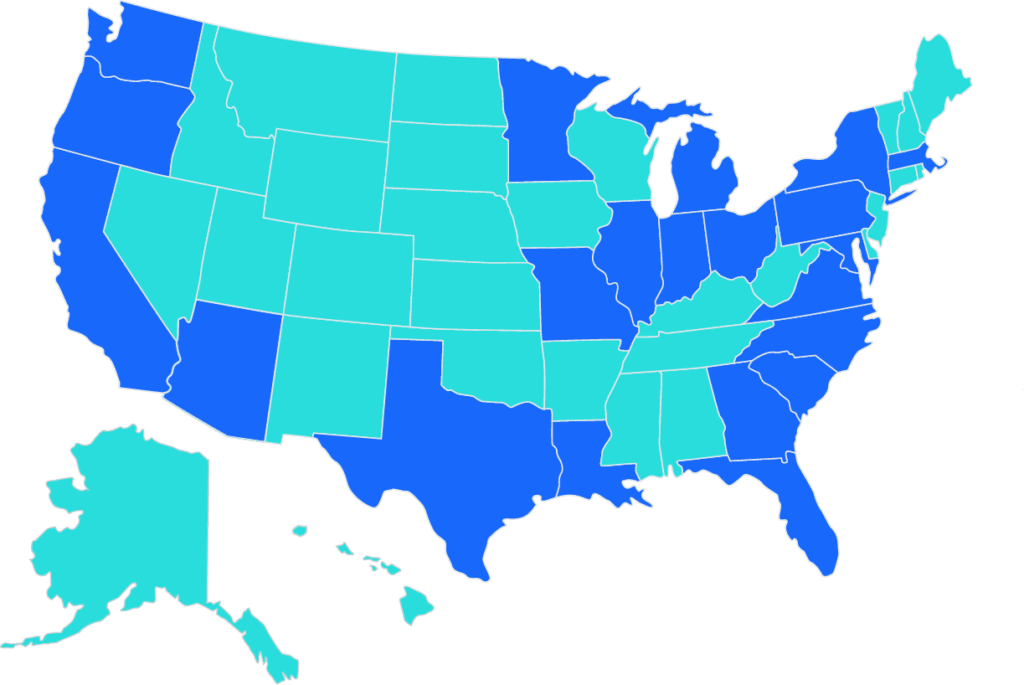
DASI Simulations is pleased to provide simulations for health systems in these states, and we continue to extend our reach to hospitals worldwide:

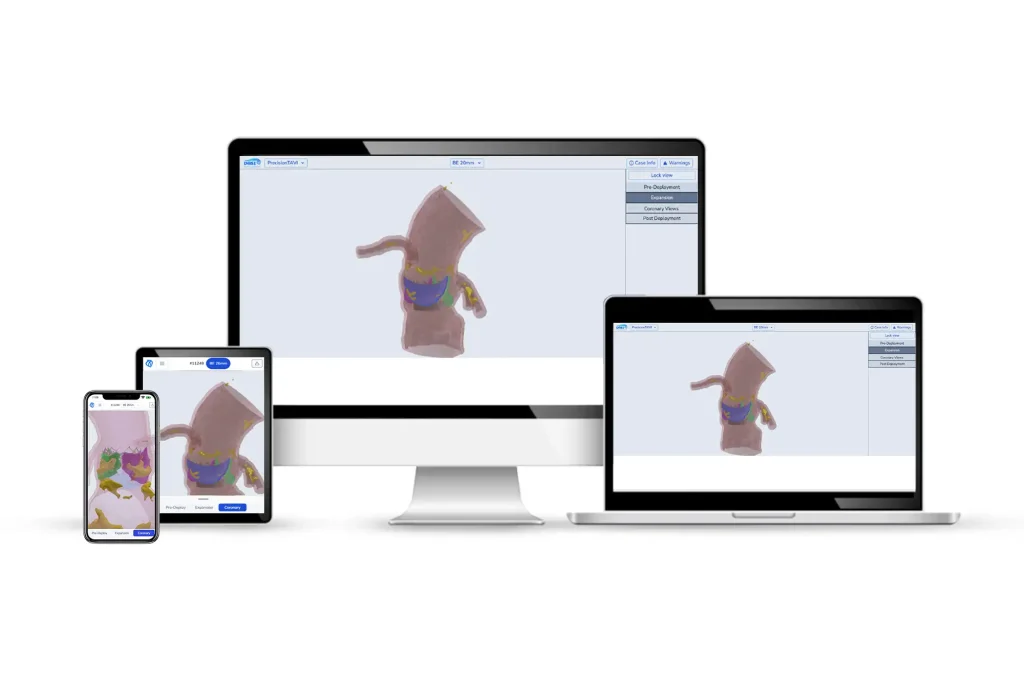
Announcing the DASI app - the newest addition to our technology

Unlock a new era in structural heart disease planning with the DASI Simulations Treatment App—an innovative addition to the DASI technology family. This app is a game-changer, offering clinicians unparalleled capabilities to visualize and optimize treatment options, ultimately leading to better patient outcomes.

The DASI Simulations Treatment App is not just an app; it’s a catalyst for transformation. Revolutionize structural heart disease planning, empower clinicians, and enhance patient outcomes. Explore the future of heart care, imagine the possibilities with the DASI Simulations Treatment App.

Watch our predictive modeling simulation technology IN ACTION

These publications highlight the latest scientific achievements of our proprietary technology, which empowers surgeons with precise insights into patient-specific heart conditions before surgery. As we continue to push the boundaries of medical science, DASI Simulations remains at the forefront of revolutionizing cardiac care, ultimately leading to safer and more successful outcomes for patients worldwide.

Nonuniform expansion of TAVR prostheses resulting in frame deformation, asymmetric leaflet, and smaller neosinus volume is related to occurrence of HALT in patients who undergo TAVR. These data may have implications for both prosthesis valve design and deployment techniques to improve clinical outcomes for these patients.

Incomplete expansion of TAVs increases blood stasis on the surface of TAV leaflets. Regions of blood stasis promote platelet activation and thrombotic events. TAV underexpansion can therefore increase the risk of leaflet thrombosis in patients with transcatheter aortic valve replacement.

Aortic annulus CT measurements for TAVR are highly reproducible. Multi-reader strategies provide higher precision than evaluations from single readers with different levels of experience and could effectively be implemented with two readers and an optional third reader in a clinical setting.

A systematic approach to generate a double oblique imaging plane exactly aligned with the aortic annulus demonstrates high interobserver and intraobserver agreements for derived measurements which are not influenced by aortic root calcification.

Patients with aortic stenosis present with calcium deposits on the native aortic valve, which can result in non-concentric expansion of Transcatheter Aortic Valve Replacement (TAVR) stents. The objective of this study is to evaluate whether eccentric deployment of TAVRs lead to turbulent blood flow and blood cell damage. Particle Image Velocimetry was used to quantitatively characterize fluid velocity fields, shear stress and turbulent kinetic energy downstream of TAVRs deployed in circular and eccentric orifices representative of deployed TAVRs in vivo. Effective orifice area (EOA) and mean transvalvular pressure gradient (TVG) values did not differ substantially in circular and eccentric deployed valves, with only a minor decrease in EOA observed in the eccentric valve (2.0 cm2 for circular, 1.9 cm2 for eccentric). Eccentric deployed TAVR lead to asymmetric systolic jet formation, with increased shear stresses (circular = 97 N/m2 vs. eccentric = 119 N/m2) and regions of turbulence intensity (circular = 180 N/m2 vs. eccentric = 230 N/m2) downstream that was not present in the circular deployed TAVR. The results of this study indicate that eccentric deployment of TAVRs can lead to altered flow characteristics and may potentially increase the hemolytic potential of the valve, which were not captured through hemodynamic evaluation alone.

Cardiologists Trust in DASI

Real Voices, Real Results: Heart Surgeons Applaud DASI Simulations

*This video reflects the opinions of Dr. Thourani and not that of Piedmont Healthcare.

HEAR WHAT
THEY ARE SAYING

TRUSTED BY MANY HEALTHCARE INSTITUTIONS